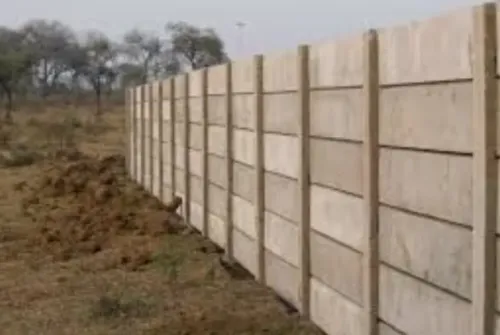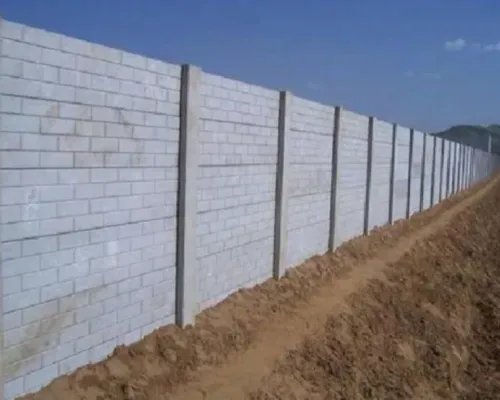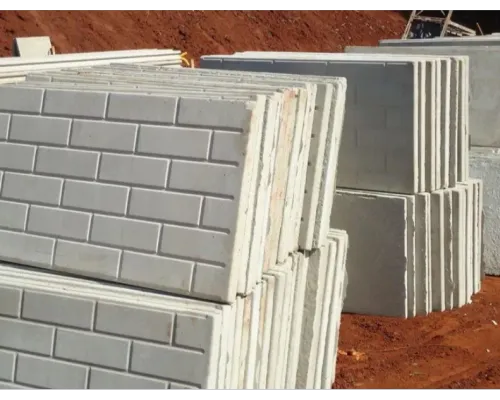


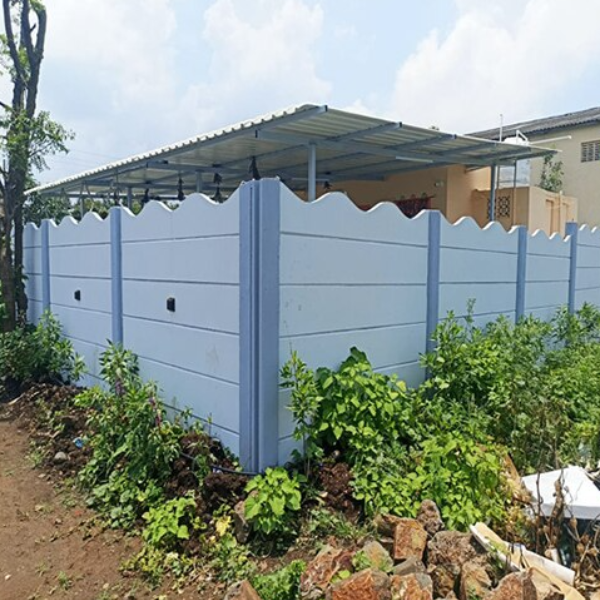
Garden walls have a different role from heavy industrial perimeters. They may define landscaped areas, separate zones within a property, create an organized boundary around open spaces, or complement the planning of residential, institutional, hospitality, and commercial developments.
A Precast Garden Wall Manufacturer can provide an alternative to constructing every section through conventional masonry, particularly where repeatable boundary sections are required.
Garden Walls Are Not Only for Private Homes
The term garden wall can suggest a small residential application, but landscaped boundaries appear in many types of developments.
Precast garden walls may be considered for:
- Residential layouts
- Farmhouses
- Resorts and hospitality properties
- Institutional campuses
- Parks and recreational areas
- Commercial landscapes
- Housing developments
- Landscaped sections of industrial campuses
Each application can have different expectations for height, appearance, access, and durability.
Why Precast Can Work Well for Repetitive Boundaries
Landscape developments often involve long, repeated sections.
Building these sections conventionally requires materials and workers to move progressively around the property. Precast components can instead be manufactured separately and brought to the location for planned installation.
This can help keep some wet construction activity away from completed or developing landscape areas.
The advantage becomes more relevant when the boundary length is substantial.
Plan the Wall Before Landscaping Is Finished
Timing matters.
Installing a concrete boundary after expensive paving, lawns, irrigation, planting, or landscape features have been completed can create unnecessary access problems.
Where possible, coordinate the wall during an earlier stage of site development.
Identify irrigation lines, underground services, drainage routes, trees, level differences, and access paths before foundation and installation work begins.
Appearance Should Match the Setting
Industrial walls are often evaluated primarily around functional requirements. Garden boundaries may receive more visual attention.
Developers should therefore consider how panel patterns, proportions, wall height, and overall layout will relate to the surrounding landscape.
The exact finish options available will depend on the selected precast system.
Instead of selecting from photographs alone, confirm what the supplied components will look like and whether additional finishing will be required.
Site Levels Need Attention
Landscaped properties are rarely perfectly flat.
A boundary may pass through slopes, raised areas, drainage zones, or changing ground levels. These conditions should be considered before manufacturing and installation.
Trying to solve every level difference during installation can produce unnecessary complications.
Accurate site measurements can help determine how the wall should transition across changing terrain.
Consider Maintenance Access
A garden wall may sit close to vegetation, irrigation equipment, service paths, or landscaped features.
Planning adequate access can make future maintenance easier. It can also help prevent plants or irrigation arrangements from interfering with the wall or its foundation area.
For larger developments, maintenance teams should be considered during the planning stage rather than only after landscaping is complete.
Local Conditions Influence Execution
Nagpur experiences hot summers and a seasonal monsoon, so external construction planning should account for drainage, site conditions, and suitable execution practices.
Precast components themselves are produced separately, but foundation preparation and installation still occur at the project site.
Urbtec Precast manufactures precast wall systems for property, landscape, and development applications around Nagpur and other relevant Maharashtra markets. Buyers considering garden walls should provide details about the property type, boundary length, required height, terrain, and desired application.
A garden boundary should support the landscape rather than become an afterthought. By coordinating the wall with site levels, drainage, access, planting, and overall development planning, property owners can make precast construction part of a more organized landscape design.