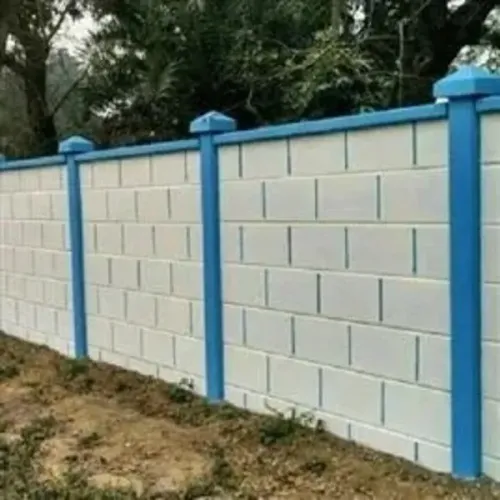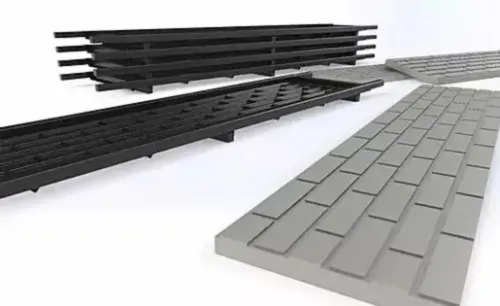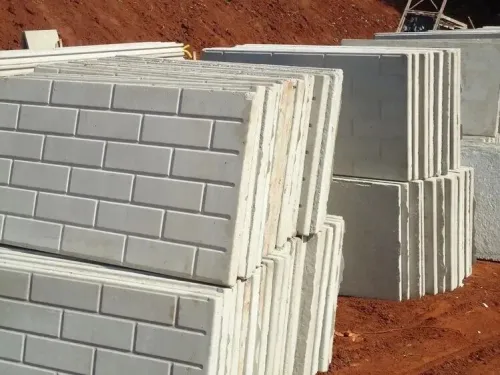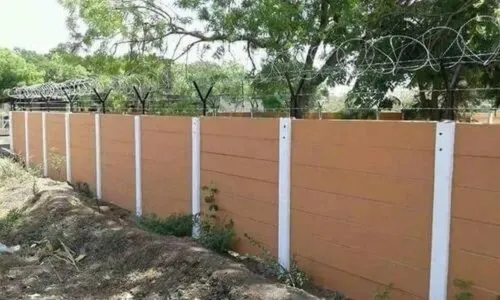

Nagpur walls face more than rainfall: intense summer heat, strong sunlight, dust, concentrated monsoon water and repeated wet–dry cycles all test panels, joints, posts and foundations. You will be able to identify the vulnerable points, separate cosmetic symptoms from structural warnings, and specify inspection, drainage, curing and installation controls that suit the site.
Key takeaways
- Inspect joints, post bases and drainage before blaming the panel face.
- Repair active leaks and settlement before applying surface coatings.
- Avoid installation during heavy rain or when curing water evaporates rapidly.
- Specify coping, joints and concrete cover for the site’s exposure.
How Nagpur’s heat, sunlight and monsoon cycle stress RCC walls
Nagpur’s intense pre-monsoon heat, strong sunlight and concentrated June–September monsoon stress precast RCC walls through uneven heating, drying, wetting and runoff. The broad concrete face is not always the weak point; connections and drainage details usually move or retain water first.
- Panels expand in daytime heat and contract after evening cooling or rain. Repeated movement can open hairline cracks, damage exposed edges and transfer stress into neighbouring connections.
- Posts face prolonged wetting at sockets and footing lines. Ponding or soil washout can tilt a post, widen panel gaps and place bending stress on panels.
- Joints swell, shrink and collect dust through each wet–dry cycle. Failed sealant lets water reach reinforcement through gaps, cracks and unprotected top edges; algae and efflorescence then conceal the defect.
Before the rains, clear drains and weep paths, check for ponding and soil loss around every post, and record new cracks. Do not paint over damp efflorescence or algae: correct drainage and let the surface dry first, or peeling will return.
Industrial contaminants require more than a generic weather precast rcc boundary for wall in nagpur specification; identify chemical splash and cleaning exposure before choosing sealant, concrete cover or coatings. That is the practical meaning of rcc boundary wall weather conditions.
Where rainwater enters—and why foundations matter more than the panel face
Water enters through the details, not usually through an intact panel face. A flat or cracked wall top holds rain against the concrete; a projecting coping with a drip groove throws runoff clear. Unsealed panel-to-post gaps, post pockets, cracks, penetrations and ground-level splash zones provide easier routes.
| Entry point | Immediate effect | Damage to watch |
|---|---|---|
| Coping or top edge | Runoff wets the panel and pier repeatedly | Staining, dampness and crack expansion |
| Panel-to-post gap | Water reaches the joint and socket | Open gaps, rust staining or loose panels |
| Post socket or footing edge | Ponding softens surrounding soil | Tilted posts, settlement and uneven joints |
| Ground-level splash zone | Mud and contaminated water wet the base | Erosion, deposits and exposed reinforcement |
| Crack or penetration | Water bypasses the surface | Deepening cracks and internal corrosion |
Slope and drainage decide whether rain leaves the wall or remains beside its foundation. Keep finished ground falling away from the wall, clear outlets, and do not trap water behind plinth concrete. During Nagpur’s concentrated monsoon, ponding can erode soil, wash out compacted fill and settle one footing before the panel shows obvious damage.
For industrial boundary wall weather exposure, record chemical deposits, wastewater splash and contaminated runoff as well as rainfall. Repeated wetting and drying then turns small movement into open joints, while soil movement tilts posts and pulls panels apart. Inspect drainage before June, not after the first failure.
Monsoon inspection: distinguish stains, cracks, settlement and exposed steel
Inspect the wall before the first heavy rain, then repeat the check after each intense spell. Photograph panel corners, lifting inserts, repair patches, bottom edges, post grooves, drilled holes, joints and coping. Compare these images with the as-built record for alignment, footing elevations, joint widths and repaired defects.
During precast RCC wall monsoon care, clear drains and weep paths, remove vegetation against the wall, and check every post for ponding, soil washout, blocked outlets or a gap opening at the panel. Record new cracks with their date, length and width. Do not paint over damp efflorescence or algae; fix the water path first.
| Finding | What it usually means | Action |
|---|---|---|
| Stain, algae or white efflorescence | Surface moisture, splash or drainage trouble | Observe after drainage is corrected; reseal failed joints if dampness returns |
| Hairline, unchanged crack | Shrinkage or an old repair defect | Photograph and monitor through the season |
| Widening, diagonal or through-crack | Movement, settlement or panel damage | Ask a structural engineer to assess it |
| Open sealant, chipped edge or debonded grout | Installation or joint failure | Call the installer before rain enters the joint |
| Leaning post, tilted panel or eroded footing soil | Foundation settlement or washout | Restrict nearby work and obtain structural-engineer advice |
| Rust staining with exposed steel | Concrete cover has been lost and reinforcement is vulnerable | Arrange prompt engineer assessment and installer repair |
When weather makes installation, repair and curing unsafe or unreliable
Stop excavation when monsoon water fills post holes or the sides begin slumping. Unstable soil can tilt posts before concrete sets, while ponding washes away footing support. For precast wall care in nagpur, keep the base dry, firm and accessible before installation or repair.
| Site condition | Work disrupted | What goes wrong |
|---|---|---|
| Intense rain or standing water | Excavation, grouting and fresh concrete | Holes collapse; grout dilutes; concrete loses strength at the surface |
| Wet, soft ground | Truck access, panel unloading and storage | Vehicles rut the approach; stacked panels settle or lean |
| High heat and direct sun | Grouting, repair mortar and curing | Water evaporates quickly, causing shrinkage cracks and weak joints |
| Dusty wind | Joint sealing, repair and concrete placement | Dust contaminates damp surfaces and prevents bond |
| Rain during curing | Footings, post pockets and repaired edges | Surface washout leaves voids and unsealed paths for water |
Arrange transport and lifting before rain makes access slippery. Store panels on level, drained supports rather than bare soil; a leaning stack can chip edges or injure workers. Do not grout dirty or water-filled pockets.
Protect fresh concrete and repair mortar from direct sun, wind and rain, then follow the specified curing period instead of judging readiness by surface dryness.
Require photographs of footing drainage, joint widths and repaired defects at handover. That record separates later monsoon settlement from an installation defect.
Specify for exposure: coping, joints, concrete cover and industrial contaminants
Treat RCC boundary wall weather conditions as a design input: an industrial boundary wall weather exposure specification must name the site’s actual contaminants and water pathways, not merely say “outdoor use.” Record whether acidic process deposits, fertiliser dust, wastewater splash, contaminated runoff, airborne dust or heavy runoff reaches the wall, plus the cleaning regime and vehicle-impact risk.
Ordinary Nagpur rain is not marine chloride exposure, but these additions can require a more severe IS 456:2000 exposure class.
Specify:
- Concrete grade, nominal reinforcement cover and curing procedure; do not accept “M20 weatherproof” without these exposure assumptions.
- Projecting coping with a drip groove, so heavy runoff leaves the face rather than saturating top edges and staining panels.
- Movement joints and flexible panel-to-post seals. At 10 × 10⁻⁶/°C, a 30 m run facing a 40°C change can move about 12 mm before restraint.
- Chemical-resistant joint sealant and a defined replacement interval for wastewater splash or acidic deposits.
- Footing drainage, splash-zone protection and a cleaning plan for dust or salt deposits. A coating can reduce absorption, but cannot replace dense concrete and adequate cover.
What to record before choosing a precast wall installer
Compare proposals against records, not promises. Use a file label such as “weather precast rcc boundary for wall in nagpur” and ask every installer the same questions.
| Evidence to compare | Ask for or record | Why it matters |
|---|---|---|
| Exposure design | Splash zone, chemical contaminants, cleaning method, coping with drip groove, sealant and drainage details | “Outdoor use” does not define resistance to heat, runoff or industrial deposits |
| Site baseline | Post and panel alignment, footing elevations, soil condition, joint widths, ponding points and drainage photographs before backfilling | Later monsoon movement can be separated from an installation defect |
| Handover pack | Concrete production records, repaired-defect register, photographs, sealant dates and maintenance instructions | Missing records make warranty disputes and fault diagnosis harder |
Make the handover checklist include panel corners, lifting inserts, repair patches, bottom edges, post grooves and drilled holes. Photograph chipped edges, rust staining, open joints and grout condition before the first rains. Urbtec Precast can be compared on whether its proposal supplies these project records, not only panels.
Your maintenance sheet should define precast wall care in nagpur: clear drains, inspect soil washout at every post, remove rooted vegetation, record cracks and reseal failed joints. Never paint over damp efflorescence or algae before correcting drainage.
Related products
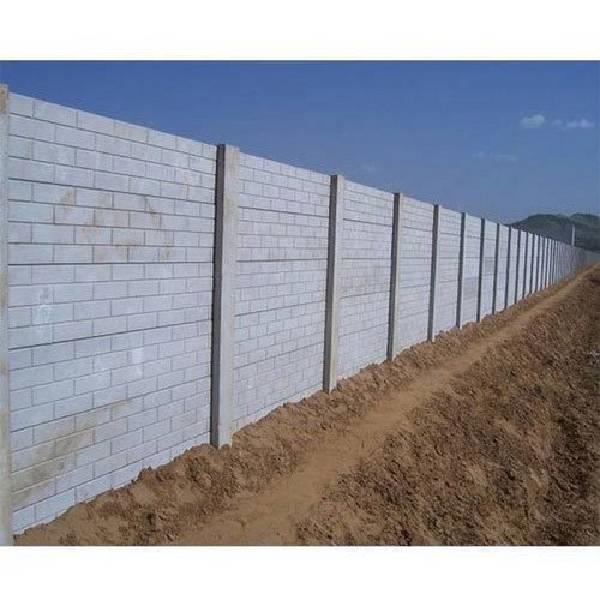 | Compound Wall RCC Ready Made Precast Compound Wall Material Rcc Wall Type As per requirement Thickness As per requirement Type As per requirement Size As per requirement Built Type As per requirement... View product → |
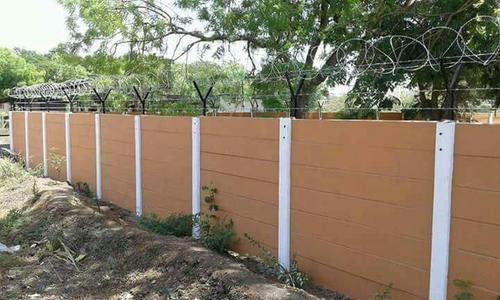 | Compound Wall Precast Rcc Boundary Compound Wall Material RCC Thickness 10-40 mm Built Type Panel Build, Modular Shape Rectangle Height 7 Feet Wall Thickness 5-20 mm We, URBTEC PRECAST, are leading... View product → |
Frequently asked questions
How does Nagpur weather stress precast RCC boundary walls?
Pre-monsoon heat and sunlight cause uneven heating and drying, while the June–September monsoon repeatedly wets concrete, joints and foundations. These cycles can widen existing cracks, move water through connections and increase runoff around posts.
Where does monsoon water enter a precast RCC boundary wall?
Water commonly enters through panel-to-post joints, open coping edges, cracks, poorly sealed connections and the ground line. Drainage and foundation defects matter because retained water can wash soil away, cause settlement and expose reinforcement even when the panel face looks sound.
How can you distinguish stains, cracks, settlement and exposed steel?
Stains indicate water movement or deposits, while cracks need measurement and location records. Settlement shows as leaning posts, uneven panel levels or widening gaps. Exposed steel appears as visible reinforcement with rust staining or concrete loss and needs prompt assessment.
When should weather delay wall installation or repair?
Delay work during heavy rain, waterlogged excavation or runoff that prevents stable foundation placement. Protect fresh concrete from rapid moisture loss in intense heat and sunlight, and do not rely on curing when water evaporates before the concrete remains continuously damp.
Related products
 | Compound Wall Material RCC, Concrete Thickness 10-20 mm Built Type Modular, Panel Build Height 9 Feet Wall Thickness 5-20 mm Urbtec Precast We, Urbtec Precast, are... View product → |
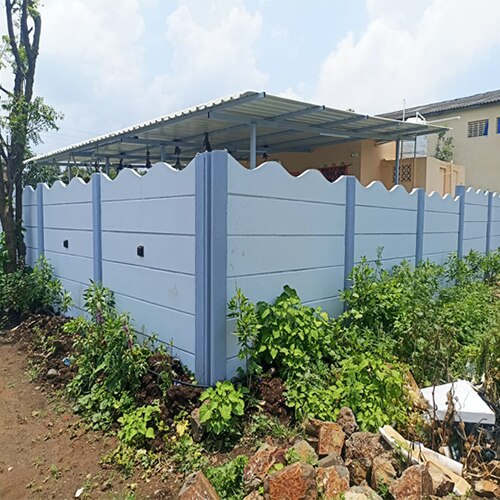 | Compound Wall Material Cement Built Type Modular, Panel Build Usage/Application Garden Surface Finish Rustic Height 4 Feet Wall Thickness 5-20 mm URBTEC PRECAST... View product → |
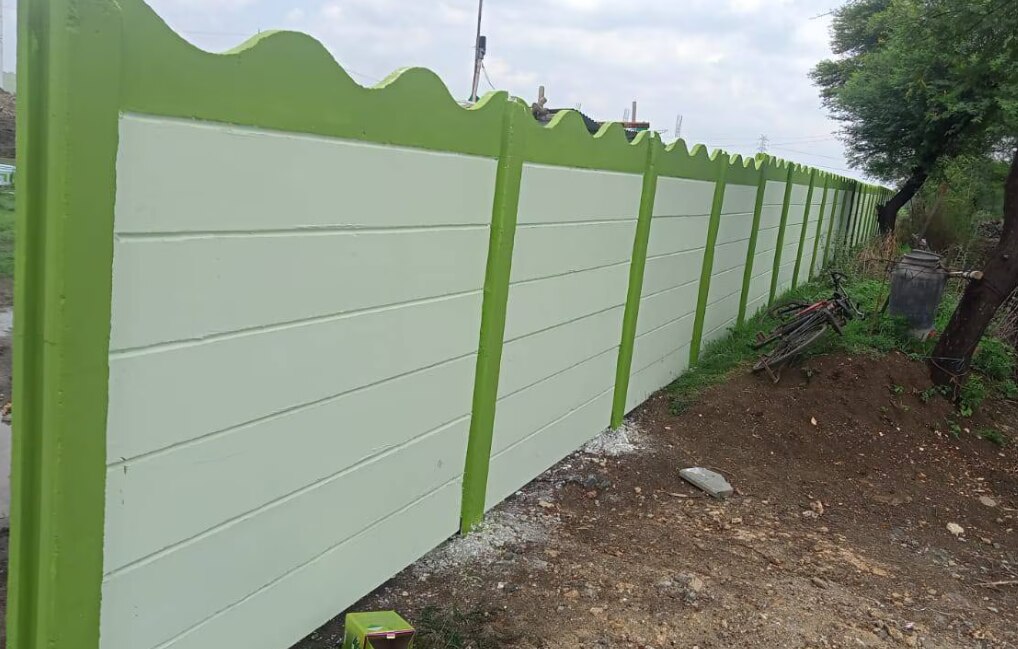 | Boundary walls Product Details: Wall Type Boundary Wall Material Concrete Built Type Modular Build, Prefab Build, Panel Build Beams Size 8x8 Inches (200 mm x 200... View product → |
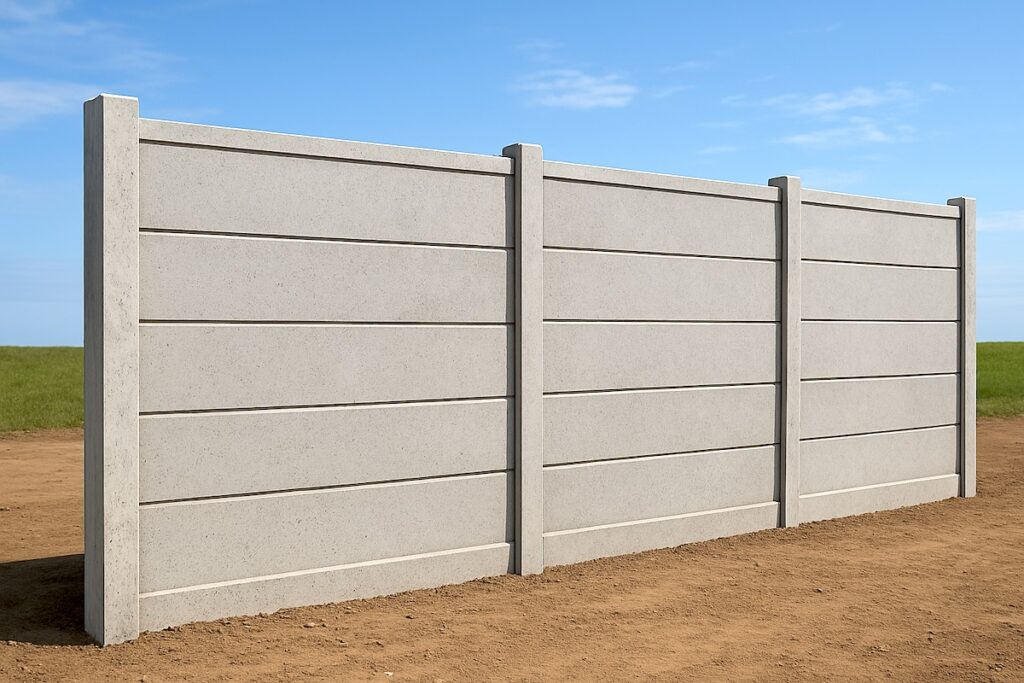 | Compound Wall Precast Concrete Compound Wall Wall Type Compound Wall Thickness 50 mm Material Concrete Built Type Panel Build, Prefab Build Beams Size 6x6 Inches, 150x150 mm, 200 mm x 200 mm... View product → |
Keywords