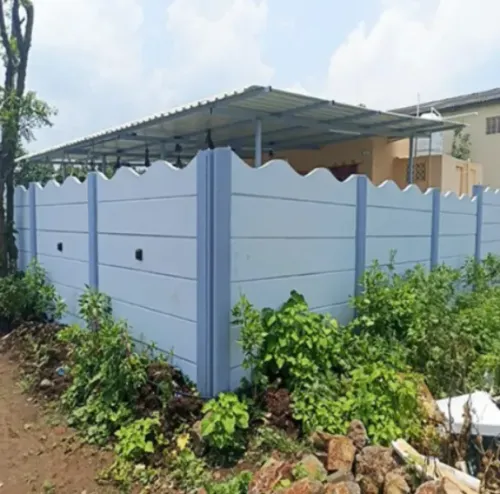
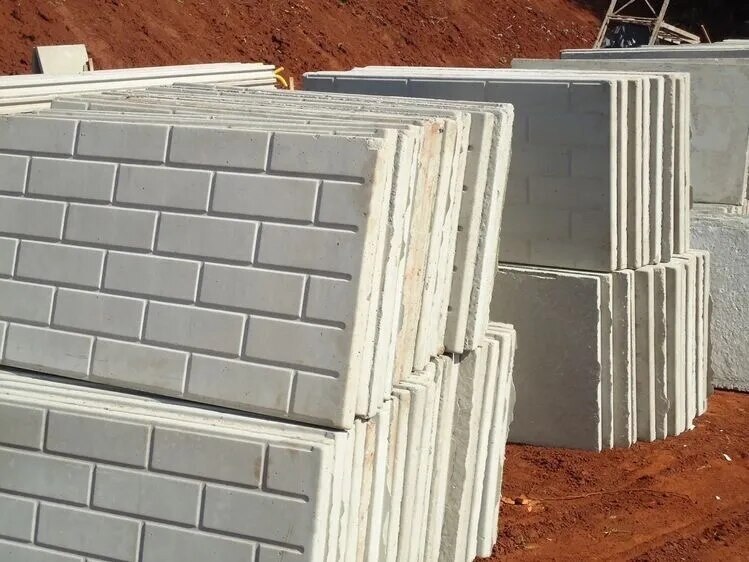
A hairline mark on a precast panel is not enough to approve or reject it. You need to identify the crack’s location, depth, direction and cause, then check the panel, post, foundation, prestressing details and factory records against the supplied design. By the end, you will have a practical inspection and decision process for accepting, rejecting or escalating a wall before payment and installation.
Key takeaways
- Judge cracks by direction, depth, continuity and related damage—not width alone.
- Reject panels with exposed prestressing steel, broken edges or cracks through lifting points.
- Trace recurring cracks to posts, foundations, drainage and soil movement before repairing.
- Record panel condition, batch details, acceptance limits and remedies before delivery.
Classify the Crack Before You Judge Its Severity
Surface crazing is usually a network of very fine, shallow lines confined to the cement-rich cover; a threatening crack has direction, depth, continuity or associated damage. For anyone assessing a prestressed boundary wall for cracks in Nagpur, location and pattern matter more than width alone.
1. Rub the surface clean and inspect in raking light. Random hairline crazing that does not catch a fingernail, expose aggregate or continue across an edge is usually superficial. Record its extent instead of accepting a fresh coat of cement paste, which can hide prestressed concrete wall problems.
2. Trace every larger line across the panel. A horizontal or diagonal crack through the panel suggests bending from wind, impact or inadequate support. A vertical crack at a post-panel interface points to restraint, poor seating or differential movement.
3. Examine lifting points, corners, panel ends and anchorage zones. Cracks radiating from these locations indicate handling or end-zone damage. Treat any crack that follows a strand line, reaches an anchorage, exposes wire, or has rust staining, delamination or spalling as an engineering-review item.
4. Check the wall around the crack. Tilted posts, stepped cracking, changing gaps beneath panels, soil heave and open ground beside footings indicate movement, including black-cotton soil shrinkage or expansion. A crack that widens after rain or temperature changes is active, not harmless crazing.
Inspect a Sample Panel Like a Delivered Component
Accept the batch only after examining a randomly selected panel, post and beam from the production lot, not a polished showroom sample. Photograph each face, edge and connection before unloading; this creates a baseline for boundary wall inspection in Nagpur.
1. Measure panel length, width and thickness at several points. Sight along both faces for bowing, twist or uneven ends. Reject pieces with dimensions that prevent proper seating or leave inconsistent gaps.
2. Inspect corners, edges, lifting points and panel ends for cracks, crushed concrete and fresh patching. A crack that continues through the panel, opens at an edge, or exposes steel requires rejection or engineering review; record its width, length and apparent depth.
3. Tap the panel, post and beam with a light hammer. A sharp, consistent sound is expected; hollow zones, honeycombing, large voids, exposed aggregate or visible reinforcement indicate poor compaction or inadequate cover.
4. Check every post for straightness, plumbness, cracked sockets and chipped bearing faces. Place a sample panel in the post groove and confirm full seating without forced packing, rocking or crushed shims.
5. Fit the beam or cap and inspect its bearing length, joint gaps and alignment. Do not accept a component that needs cutting, drilling, chasing or welding to fit; prestressing steel may be damaged without visible warning.
Check the Prestressing Zones, Handling Damage and Factory Records
A crack along a strand line, around an anchorage or end zone, or with rust staining, spalling or exposed wire is not a cosmetic surface condition. Treat it as one of the prestressed concrete wall problems requiring engineering review before purchase.
| Condition | What it suggests | Action |
|---|---|---|
| Surface crazing limited to cover concrete | Designed or drying-related surface condition | Compare with the design class, exposure condition and supplied drawings |
| Crack at a lifting point, corner or panel end | Handling, stripping or anchorage-zone damage | Reject pending investigation and repair proposal |
| Crack following a tendon, with rust or delamination | Lost protection or possible strand damage | Do not accept without structural assessment |
| Crack through the panel or post | Bending, impact or restraint | Check load history, dimensions and foundation interface |
Ask for records matching the batch, not generic certificates:
- Concrete grade, cube or cylinder test results, curing method, stripping time and release strength
- Prestressing-steel certificate, strand or wire diameter, tendon layout, measured elongation or prestress, and anchorage details
- Panel dimensions, designated lifting points, handling instructions and transport inspection records
- Repair records identifying the crack, removed concrete, repair material and approval
Missing records do not prove a defect, but they prevent you from distinguishing a permitted detail from manufacturing or handling damage. A patch can hide prestressed concrete wall problems; inspect before accepting it.
Trace Cracks to Posts, Foundations, Water and Soil Movement
Trace the crack through the post, footing and surrounding soil before judging the panel alone. Prestressed wall damage in Nagpur often reveals its cause through a repeated pattern, not crack width.
During a boundary wall inspection in Nagpur, record these clues:
- Cracks radiating from lifting points, corners or panel ends suggest transport, lifting or installation damage; chipped edges and fresh-looking breaks support that finding.
- Horizontal or diagonal cracks across a panel point to bending from impact, wind or a poorly seated panel.
- Vertical cracks at post-panel interfaces indicate restraint, differential movement or inadequate bearing.
- Stepped cracks across several panels, tilted posts, alternating gaps beneath panels, and soil heave beside footings indicate black-cotton soil movement.
- Rust staining, delamination, exposed wire or a crack following a tendon line requires engineering review, not cosmetic filling.
Check roof, road and irrigation runoff, leaking pipes, trapped water behind the wall, and soil raised against panels. Repeated wetting and drying can move foundations and carry aggressive agents into cracks. Compare the crack with post plumb, footing level and panel seating, then photograph and measure it.
A crack that is widening, crossing a post, or recurring after filling signals movement after installation. Repairing the panel without correcting drainage or foundation movement will not address the cause.
Decide Between Rejection, Repair, Replacement and Other Wall Systems
A repair is reasonable only when the crack is dry, dormant, and its cause is understood. An engineer may approve resin injection for a stable structural crack; an active joint or movement crack needs a flexible sealant and movement detail instead. Cement slurry alone is not a dependable fix.
Treat prestressed wall damage in Nagpur as a replacement issue when the crack exposes a strand, follows its line, reaches an anchorage or end zone, or comes with rust staining, delamination, or spalling. A moving foundation must be corrected first, or the same repair will fail.
| Option | Choose it when | Reject it when |
|---|---|---|
| New panel | Damage is local to one panel and the post, footing, and adjacent panels remain sound | Cracks reflect settlement, poor seating, or repeated impact |
| Repaired panel | The crack is dormant, concrete is sound after removal, and an engineer specifies compatible repair material | Tendon loss, anchorage damage, or active movement exists |
| Masonry wall | You need a site-adjustable wall on uneven or movement-prone ground and accept slower construction and heavier foundations | Speed, controlled quality, or low site labour matters most |
| Non-prestressed precast | Loads, height, post spacing, and foundation design suit an unprestressed system | Wind, impact, or handling demands exceed its designed capacity |
Ask Urbtec Precast to state in writing whether the proposed repair preserves tendon protection, joint movement, and warranty coverage. Repairing a panel without that answer is a gamble.
Related product
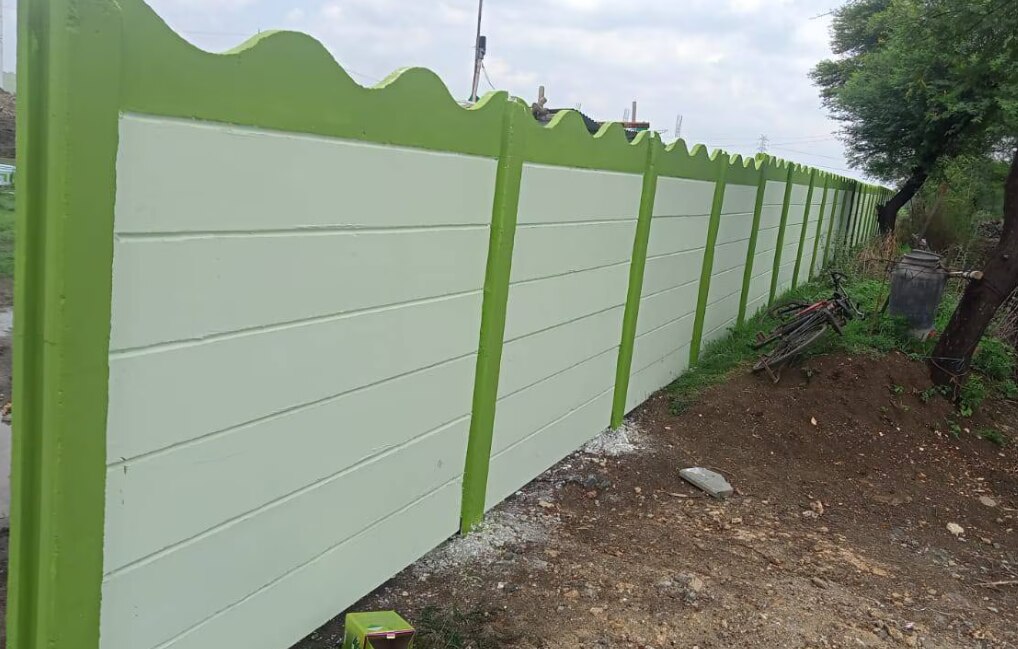 | Boundary walls Product Details: Wall Type Boundary Wall Material Concrete Built Type Modular Build, Prefab Build, Panel Build Beams Size 8x8 Inches (200 mm x 200... View product → |
Use a Written Acceptance Checklist Before Delivery and Installation
Before approving a prestressed boundary wall for cracks in Nagpur, make the acceptance record part of the purchase order. A boundary wall inspection in Nagpur is not complete when the surface looks acceptable; the record must define what you inspected and what happens if it fails.
1. Photograph every panel, post, beam, lifting point, corner, edge and joint with an identification number. Record each crack’s width using a crack comparator or microscope, plus length, depth, direction, location and whether it passes through the component.
2. Note dated gauge or tell-tale readings where movement is suspected. One inspection cannot prove that a crack is dormant.
3. Obtain the signed design drawings and state the intended wind, soil, impact and gate loads. Check the panel thickness, post spacing, footing arrangement, tendon layout and specified service-crack limits against those documents.
4. List every proposed modification, including drilled holes, cut panels, added gates, cable routes and altered post spacing. Require written engineering approval before work starts.
5. Write rejection triggers: exposed or rust-stained tendon, anchorage damage, delamination, active cracks, missing records or dimensions outside the drawing.
6. Attach warranty exclusions for foundation movement, impact, unauthorised cutting, drainage failure and third-party repairs. Require an engineer’s review before accepting any disputed crack or repair.
Frequently asked questions
How can you tell surface crazing from serious prestressed wall damage?
Surface crazing forms a fine, shallow network in the cement-rich cover. Treat cracks with direction, depth, continuity or associated damage as requiring closer inspection.
What should you inspect on a prestressed boundary wall panel before delivery?
Inspect both faces, edges, corners, lifting points and prestressing zones. Look for exposed steel, broken concrete, impact marks, continuous cracks and records identifying the batch and panel.
What causes recurring cracks in a boundary wall after installation?
Check whether cracks align with posts, foundations or joints. Also inspect drainage, water entry, expansive or loose soil, uneven settlement and soil movement.
When should you reject, repair or replace a cracked boundary wall panel?
Reject or replace panels with exposed prestressing steel, structural cracking, severe edge damage or uncertain handling history. Consider repair only after identifying the cause and confirming the panel remains suitable.
Keywords