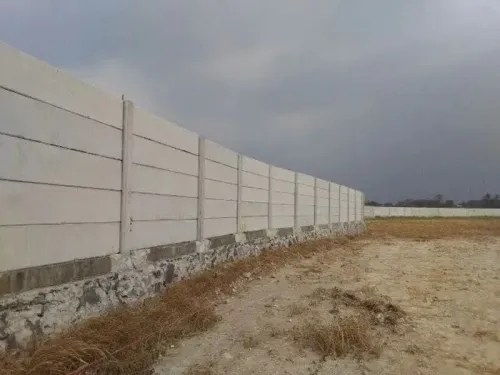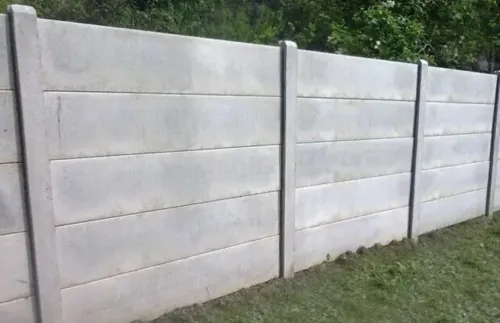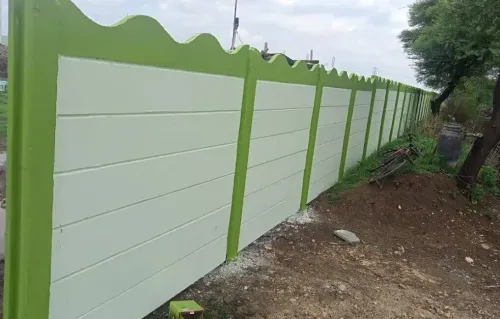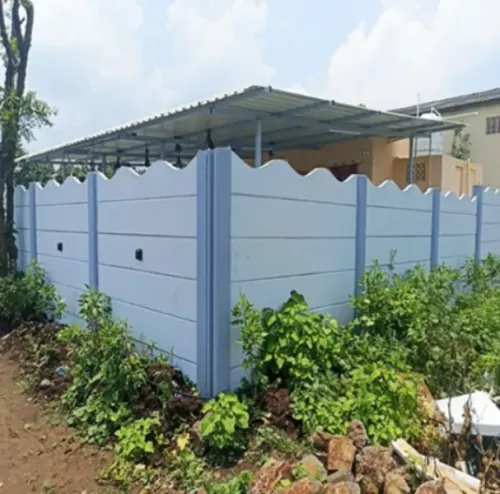
Nagpur’s heaviest wall damage usually begins where rainwater remains at the base, enters open joints, or washes soil away from posts—not on the exposed panel face alone. By following a timed inspection routine, correcting drainage, recording movement, and choosing repairs for dry conditions, you can separate routine precast wall monsoon care in Nagpur from defects that need professional assessment.
Key takeaways
- Inspect before rain, after heavy downpours and when monsoon ends.
- Divert runoff and remove ponding from the wall footing.
- Classify cracks and joint gaps before applying any patch.
- Call the installer for movement, leaning or footing erosion.
Inspect the wall before, during and after Nagpur’s rainy season
Inspect the wall in late May, during prolonged rain, after the first heavy downpour, and again when the southwest monsoon ends in September or October. This schedule is the foundation of precast wall monsoon care in Nagpur; annual rainfall totals will not show whether runoff ponded at the footing or entered a joint.
1. Before the rains, photograph every panel face, post, joint, footing and drainage path from fixed positions. Record the wall’s plumb or alignment, post movement, joint width, cracks, exposed steel, rust staining, efflorescence, blocked outlets and any soil erosion.
2. During prolonged rain, inspect only when access is safe. Record where water flows, whether ponding remains after 30 minutes and whether downpipes, paving or soil direct water against the wall. Photograph open joints, sealant debonding and splashback.
3. After the first major rain and after the season, repeat the same photographs and measurements. Compare crack length and width, joint openings, panel displacement, footing settlement and erosion with the pre-monsoon record.
4. Mark each defect’s location on a simple site sketch and add the date, weather, measurement, photograph number and change since the last inspection. A widening crack, leaning panel, displaced post, exposed reinforcement or scour at the base needs restricted access and installer or structural-engineer assessment before patching.
Use this record whether you are searching for “protect precast concrete wall for monsoon in nagpur” or planning routine maintenance: consistent evidence catches movement before cement mortar conceals it.
Keep runoff, ponding and eroding soil away from the footing
A wall fails at its base when runoff sits in footing pockets, washes soil from posts, or drives saturated earth against panels.
Effective rain protection for compound wall systems starts with a clear fall away from the wall: regrade soil, paving or a shallow drain so roof and yard water reach a safe outlet, not the footing line.
- Keep at least a narrow strip beside the wall free of leaves, mulch, loose soil and stored materials. Clear it after every heavy storm.
- Do not raise garden soil or paving against the panels. Maintain the designed clearance so water cannot bridge the panel edge or remain around post pockets.
- Extend roof downpipes away from the wall and discharge them into a drain or stable, erosion-resistant surface. Never let a pipe pour beside a post.
- Replace washed-out soil in thin, compacted layers only after checking that the post has not moved. Do not backfill a void around a leaning post.
- Control concentrated flow with a lined channel, splash block or temporary sandbag diversion. Remove temporary barriers before they trap water against the footing.
For concrete wall maintenance in Nagpur, inspect the ground during prolonged rain, not only after it stops. Mark ponding duration, exposed footing edges and fresh channels in the soil; photograph each location from the same position. A newly installed wall needs its specified temporary bracing until connections, grout and footing concrete reach the specified strength.
Protect fresh concrete and repair mortar from direct rain and runoff, but keep covers off the uncured surface so they do not touch or mark it.
Classify cracks, joint gaps and movement before patching
A stable, narrow surface crack that does not change after rain is usually cosmetic. A widening crack, reopening crack or gap with displacement is active; leaning, displaced posts, exposed reinforcement or base scour requires immediate professional assessment.
| Defect | Classification | What to do |
|---|---|---|
| Stable hairline surface crack | Cosmetic | Photograph it, mark its ends, and compare after major rain. Repair only after the moisture source is controlled. |
| Uniform joint gap with intact sealant | Cosmetic | Check adhesion and width. Leave open drainage gaps and weep holes unobstructed. |
| Reopening or widening crack | Active | Do not cover it with waterproof paint. Record its width and movement, then ask the installer or an engineer to assess it. |
| Crack crossing a post or panel joint | Active | Treat it as movement until inspected, especially when joint sealant has debonded or split. |
| Rust staining, spalling or exposed reinforcement | Immediate assessment | Restrict further damage from water and obtain professional advice before patching. |
| Leaning wall, displaced post or soil scour at the base | Immediate assessment | Keep people and vehicles away if stability is uncertain. Do not backfill or brace it without advice. |
For concrete wall maintenance in Nagpur, record the crack location, length, widest point, date and nearby joint condition. Photograph it from the same position after each major storm.
Do not smear cement mortar across a moving joint. Failed sealant needs removal and replacement with a concrete-compatible joint system; sealing drainage openings can trap hydrostatic pressure behind the wall. This is the basis of precast concrete wall monsoon care in Nagpur.
Use joints, coping and coatings that suit wet concrete
A sloped coping with a drip groove is the first line of rain protection for compound wall panels. It throws water clear of the face and joint, while a sealed top edge stops water entering the panel core.
Do not seal weep holes, drainage gaps or the granular layer behind the wall; blocking them can build hydrostatic pressure and increase movement.
The practical method to protect precast concrete wall for monsoon in Nagpur is to repair joints and surfaces without creating a waterproof skin over damp concrete:
- Remove failed sealant, dust and loose material from panel-to-panel joints.
- Check joint width and movement before choosing a sealant; use the specified primer, backer rod and a flexible sealant compatible with concrete.
- Do not fill a moving joint with cement mortar. It will crack, debond and redirect rain into the panel edge.
- Patch spalling and shallow surface defects with a compatible repair mortar only after correcting the water source.
- Dry-brush efflorescence and improve drainage; acid washing can damage cement paste and nearby metal.
- Apply a breathable silane-siloxane treatment or vapour-permeable masonry coating to clean, cured, dry concrete.
- Avoid an impermeable coating over damp concrete or active cracks; it can trap moisture, blister and conceal widening movement.
Keep sealant joints visible for future inspection. Apply coatings only within the product’s stated substrate moisture, temperature and curing limits, and protect fresh mortar from direct rain without allowing covers to touch the surface.
Decide when to call the installer and what work can wait
Use a temporary measure when rain is imminent but the wall remains plumb, connected and stable. To protect a precast concrete wall for monsoon in Nagpur, clear blocked drains, divert runoff and cover fresh footing concrete or repair mortar without letting the cover touch the uncured surface.
Keep newly installed panels on the specified temporary bracing until posts, connections and grout reach their specified strength.
- Use temporary protection for ponding, splashback, exposed fresh concrete or an open joint before heavy rain. Do not invent bracing or push a leaning panel back into position; ask the installer for the approved support method.
- Delay cosmetic patching, sealant replacement and coating until several dry days have allowed the joint or concrete to dry. Applying mortar or sealant to a wet, dirty surface leads to debonding and traps moisture.
- Obtain an installer’s or structural engineer’s assessment before patching or backfilling if the wall leans, a crack is widening, posts have displaced, reinforcement is exposed, or soil has scoured from the base. Restrict access when stability is uncertain.
Record measurements and photographs before the southwest monsoon, after the first heavy storms and after September. Include plumb, joint openings, crack changes, erosion and ponding duration. For concrete wall maintenance in Nagpur, ask the supplier for the original bracing, connection and drainage details; Urbtec Precast can help clarify those details when it installed the system.
Related products
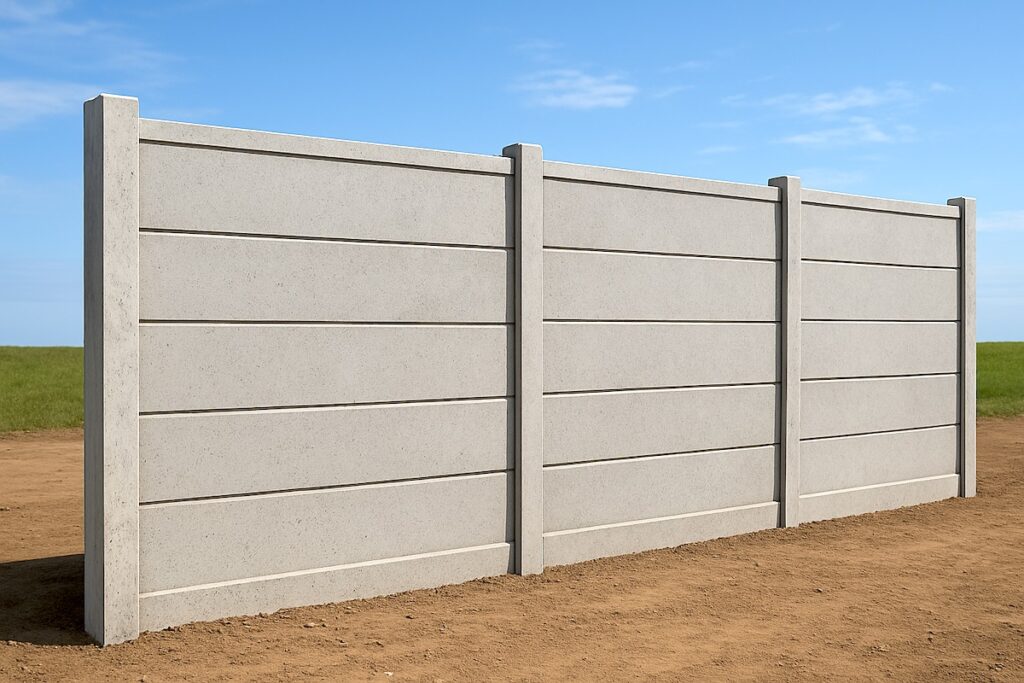 | Compound Wall Precast Concrete Compound Wall Wall Type Compound Wall Thickness 50 mm Material Concrete Built Type Panel Build, Prefab Build Beams Size 6x6 Inches, 150x150 mm, 200 mm x 200 mm... View product → |
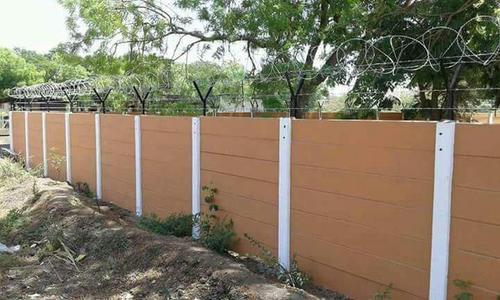 | Compound Wall Precast Rcc Boundary Compound Wall Material RCC Thickness 10-40 mm Built Type Panel Build, Modular Shape Rectangle Height 7 Feet Wall Thickness 5-20 mm We, URBTEC PRECAST, are leading... View product → |
Frequently asked questions
When should you inspect a precast wall during Nagpur’s monsoon?
Inspect it in late May, during prolonged rain, after the first heavy downpour, and when the southwest monsoon ends in September or October.
How do you protect a precast wall footing from rainwater?
Keep roof and surface runoff away from the footing, remove ponding, and repair soil erosion before water undermines the wall.
Which precast wall cracks need urgent attention?
Escalate cracks with displacement, widening joints, leaning panels, separated posts or footing erosion to the installer before patching.
When should you call the precast wall installer?
Call the installer for movement, leaning, damaged posts, open joints, exposed reinforcement or erosion that reaches the footing. Surface staining and small stable cracks can wait for planned maintenance.
Related products
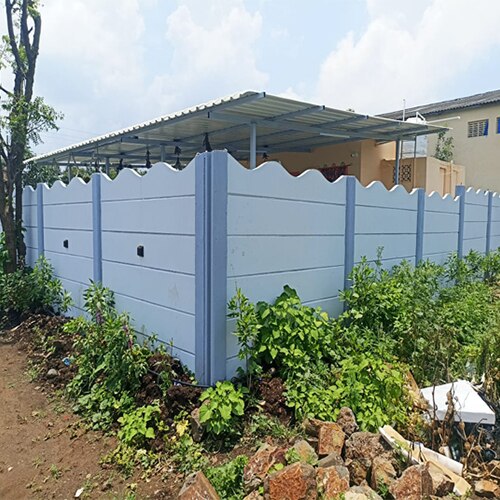 | Compound Wall Material Cement Built Type Modular, Panel Build Usage/Application Garden Surface Finish Rustic Height 4 Feet Wall Thickness 5-20 mm URBTEC PRECAST... View product → |
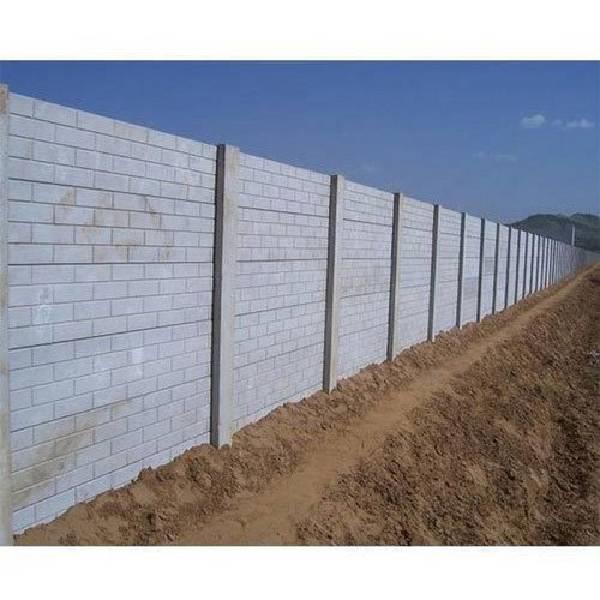 | Compound Wall RCC Ready Made Precast Compound Wall Material Rcc Wall Type As per requirement Thickness As per requirement Type As per requirement Size As per requirement Built Type As per requirement... View product → |
 | Compound Wall Material RCC, Concrete Thickness 10-20 mm Built Type Modular, Panel Build Height 9 Feet Wall Thickness 5-20 mm Urbtec Precast We, Urbtec Precast, are... View product → |
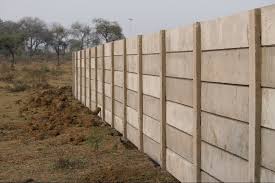 | Compound Wall Material Concrete Built Type Modular, Panel Build Shape Rectangle Surface Finish Rustic Height 6 Feet Wall Thickness 5-20 mm View product → |
Keywords