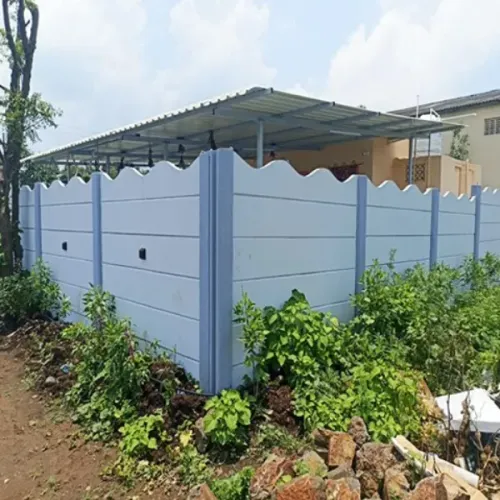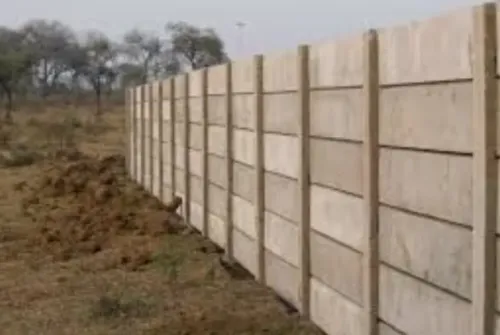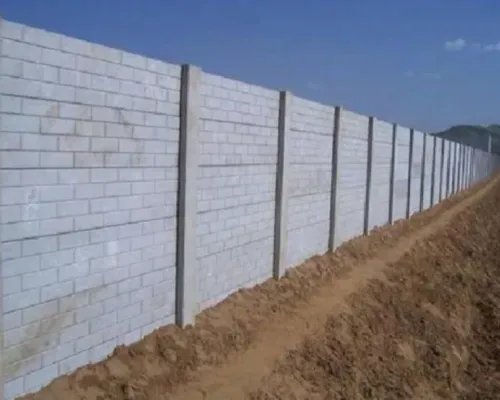


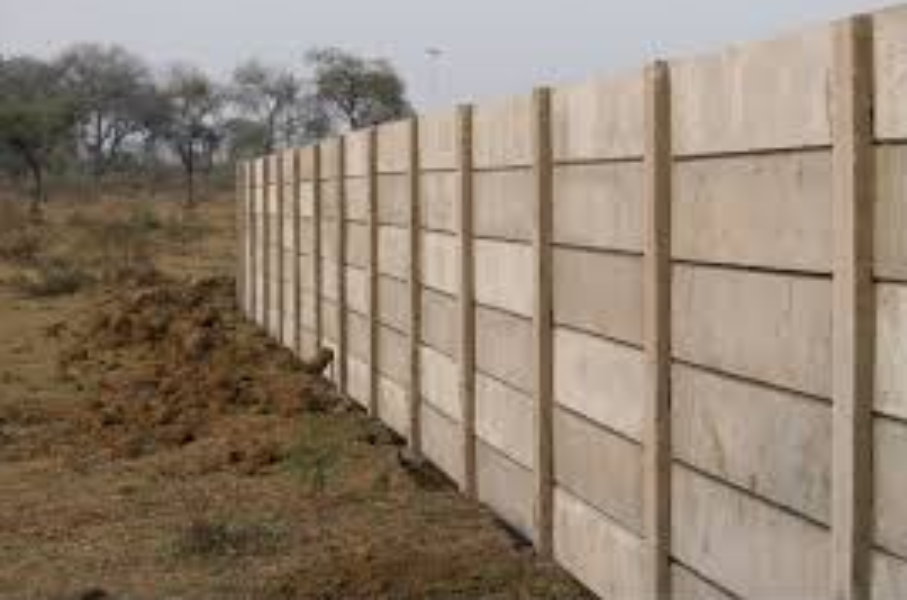
Budgeting for a boundary wall becomes difficult when buyers expect one universal rate. A short residential boundary, a long factory perimeter, and an infrastructure enclosure can all use precast concrete while having very different project requirements.
The cost of an RCC Precast Wall therefore needs to be understood as a combination of product specification, quantity, logistics, site conditions, and installation scope.
Wall Height Influences Material Requirements
Height is one of the most obvious variables.
A taller wall generally changes the quantity and configuration of components required. Supporting elements and foundation requirements may also vary according to the selected system and project design.
For this reason, comparing rates without specifying wall height can produce misleading results.
Total Boundary Length Matters
Quantity can influence manufacturing and logistics planning.
A small property may require relatively few components, while a factory or large development could involve hundreds of metres of boundary.
Longer projects also need more careful planning around dispatch schedules, storage, installation crews, and site access.
Buyers should provide a reasonably accurate perimeter rather than requesting a quotation based only on a rough visual estimate.
Product Specifications Affect Cost
Not every precast wall has the same specification.
Panel dimensions, reinforcement, concrete requirements, column design, wall configuration, and other technical factors can affect material and manufacturing requirements.
A lower-priced proposal may therefore represent a different specification rather than a genuinely cheaper version of the same system.
Compare like with like whenever reviewing multiple quotations.
Transportation Can Be Significant
Precast components need to move from the manufacturing location to the site.
Transportation cost can depend on distance, quantity, vehicle requirements, loading arrangements, delivery frequency, and site accessibility.
A project within Nagpur may have different logistics from one located farther away in Maharashtra, even if the wall specification is identical.
This is why project location should always be provided when requesting an estimate.
Site Conditions Affect Installation
A straightforward, accessible, level site can be different from a property with slopes, restricted access, existing structures, difficult ground, or numerous interruptions.
Foundation and installation requirements should therefore be assessed in relation to the actual property.
If the quotation excludes certain site works, those costs still need to be included in the owner's overall project budget.
Openings and Layout Changes Matter
Boundary walls rarely form one uninterrupted straight line.
Projects can include:
- Main gates
- Service entrances
- Corners
- Security cabins
- Drainage crossings
- Utility corridors
- Existing structures
- Level changes
These should be identified when quantities and installation plans are prepared.
Price Should Be Compared With Project Value
The cheapest initial construction option is not automatically the most economical for every project.
Developers should also consider construction duration, labour coordination, site congestion, finishing requirements, predictability, and the impact of boundary work on other project activities.
For an industrial project, reducing prolonged work along internal roads or active construction zones may have operational value that is not visible in a simple material rate.
What Information Helps Produce a Better Estimate
Before approaching Urbtec Precast or another supplier serving Nagpur, prepare the approximate boundary length, required height, site location, property type, drawings if available, access information, and expected scope.
These details make it easier to discuss a realistic project requirement rather than a generic rate.
An RCC precast wall should therefore be budgeted as a complete boundary system. Understanding specifications, quantity, transportation, foundations, installation, and site conditions allows builders and property owners to compare proposals more accurately and make purchasing decisions based on total project value.